Compare Local Contractors for Home Automation Installation Projects
Compare local contractors for home automation installation to define project scope, verify experience, and establish clear expectations in writing for a successful upgrade.
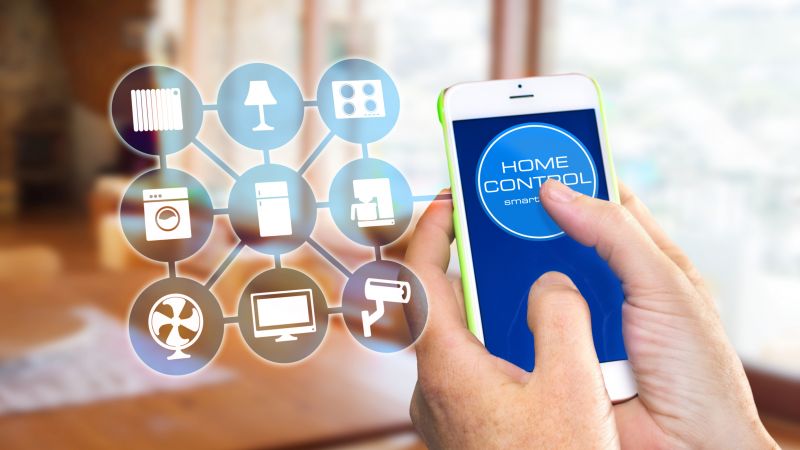
Home automation installation services typically encompass a range of tasks aimed at integrating smart technology into a residential property. This can include setting up systems for lighting control, security monitoring, climate management, entertainment, and other connected devices. Contractors often handle the installation of wiring, device placement, and configuring the system to ensure seamless operation across various components. Understanding the scope of work helps property owners determine what features and functionalities are included, ensuring the system meets their specific needs and preferences.
Clearly defining the scope of a home automation project is essential for setting realistic expectations and avoiding misunderstandings. A well-outlined scope specifies which devices and systems will be installed, how they will interact, and any additional customization or integration requirements. Property owners should discuss these details in writing with potential contractors to ensure everyone shares a common understanding of the work involved. This clarity can help prevent scope creep and ensure the project stays aligned with the owner’s goals.
When comparing local contractors for home automation installation, property owners should evaluate their experience with similar projects, the range of services offered, and their approach to planning and communication. Gathering information about previous work, verifying references, and understanding each contractor’s process can provide insight into their capabilities. It’s also beneficial to review how each provider handles project scope, documentation, and expectations. By considering these factors, property owners can make informed decisions when selecting service providers that align with their specific automation needs.
Compare local contractors by outlining project priorities, verifying experience, and setting clear expectations in writing.
- Compare Service Providers - review local contractors to find those with relevant experience in home automation installation.
- Define Project Scope - clearly outline the work and expectations to ensure all parties are aligned.
- Verify Experience and References - assess contractors’ past work and expertise to select qualified service providers.
- Document Details in Writing - establish agreements that specify scope, responsibilities, and project expectations.
Clearly describe your home automation project to compare local contractors, verify experience, and set clear expectations in writing.
- Verify experience and expertise in home automation installation to ensure contractors are knowledgeable about the latest systems and technologies.
- Compare service providers based on their scope of work, ensuring they can handle the specific automation features desired.
- Review references or past work to assess the quality and reliability of the contractor’s previous home automation projects.
- Ensure all project details, scope, and expectations are clearly outlined and agreed upon in writing before work begins.
- Assess the communication style and responsiveness of local contractors to gauge their professionalism and customer service approach.
- Check for comprehensive warranties or service guarantees offered by the service providers to protect the investment in automation systems.
Use this to compare contractors, clarify scope, verify experience, and set clear expectations in writing.
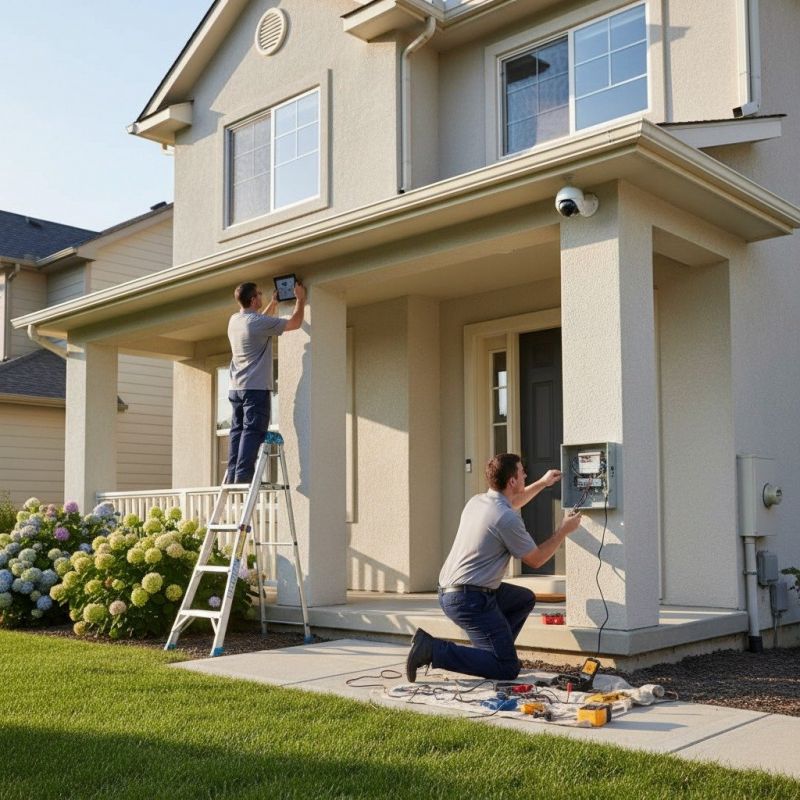
Learn how to compare home automation installation contractors effectively by defining scope, verifying experience, and maintaining consistent expectations.
- Define the scope of automation features - specify which devices and systems will be integrated into the automation setup.
- Assess the experience of service providers - verify that local contractors have relevant experience with home automation installations.
- Clarify the installation process and responsibilities - establish what tasks each party will handle and what the installation entails.
- Determine compatibility and system requirements - ensure the proposed automation solutions are compatible with existing home infrastructure.
- Document project expectations in writing - create clear agreements outlining the scope, deliverables, and responsibilities for the installation.
When comparing contractors for home automation installation, it’s important to evaluate their experience with projects similar in scope and complexity. Home automation systems can vary widely, so understanding whether a contractor has successfully completed installations comparable to the desired setup can help gauge their familiarity with the equipment and integration processes involved. Asking about past projects that resemble the current needs provides insight into their technical capabilities and familiarity with specific devices, brands, or systems.
A clear, written scope of work is essential for setting expectations and ensuring both parties understand what the project entails. A detailed scope should outline the specific devices to be installed, the areas of the home involved, and any particular features or integrations desired. This document helps prevent misunderstandings and provides a reference point throughout the project, making it easier to verify that all aspects of the installation are addressed. Service providers who can articulate their scope in writing demonstrate professionalism and a thorough understanding of the installation process.
Verification basics involve confirming that a contractor has the necessary experience and expertise to handle the installation properly. This can include reviewing their portfolio of similar projects, asking for references or testimonials, and understanding their approach to planning and executing the work. It’s also helpful to inquire about their process for testing and confirming system functionality after installation, ensuring that the automation system operates as intended and integrates smoothly with existing home infrastructure. These verification steps help establish confidence in the contractor’s ability to deliver a successful outcome.
Evaluating options without focusing on prices involves assessing the quality and clarity of proposals from different service providers. Look for detailed, well-structured proposals that clearly define the scope of work, materials, and methods. Consider how each contractor plans to approach the project, their communication style, and their willingness to answer questions or provide additional information. Comparing these aspects can reveal which service providers are more attentive to detail and better aligned with the homeowner’s expectations. This approach helps identify the most suitable contractor based on expertise, communication, and professionalism, rather than cost alone.
Ask for written scope of work to ensure clear expectations and consistent project details with service providers.
- Experience and Credentials - What experience do local contractors have with home automation installation projects similar to yours?
- Scope of Work - How do service providers define and document the scope of work to ensure clear expectations?
- Services Offered - What specific automation systems and technologies do local contractors specialize in installing?
- Project Management - How do contractors plan to coordinate different components and ensure seamless integration?
- Communication and Clarifications - How will the scope and project details be communicated and confirmed in writing before work begins?
How can I compare contractors for home automation installation? To compare local contractors, review their experience, services offered, and customer feedback. Ensuring they clearly define the scope of work and provide detailed written agreements can help in making an informed choice.
What should I look for when choosing a home automation installation contractor? Focus on their relevant experience, reputation, and ability to specify project details in writing. A clear scope of work and transparent communication are key factors in selecting a reliable service provider.
How important is it to verify a contractor’s experience in home automation? Verifying experience helps ensure the contractor understands the technology and installation process. It can reduce the risk of misunderstandings and help achieve the desired outcome.
What questions should I ask a contractor before hiring for home automation installation? Ask about their previous projects, how they define the scope of work, and how they handle project details in writing. Clarify their approach to communication and project management.
Why is it recommended to have a written agreement with a home automation contractor? A written agreement helps set clear expectations, defines the scope of work, and provides a record of commitments, reducing potential misunderstandings during the project.
How can I ensure a contractor will meet my expectations for home automation installation? Clearly outline your needs, ask for detailed project descriptions, and verify that the contractor can provide a comprehensive scope of work in writing before proceeding.
Understanding the essentials of selecting a home automation installation contractor can help ensure the project aligns with your expectations. By learning how to compare local contractors, define the scope of work clearly, verify their experience, and set expectations in writing, you can make informed decisions that suit your needs. Taking these steps can lead to a smoother process and a more satisfying outcome.
Using the quote form to explore and compare options among local service providers is a practical way to identify professionals capable of handling your home automation needs. Connecting with multiple contractors allows for a better understanding of their offerings and helps you find the right fit for your project.